
 020 8124 6161



Malocclusions occur biologically, and are due to programming found in the DNA in the root of each tooth, and that program interacting with existing conditions in the oral cavity, like space, proximity to other teeth, and tissues in the mouth. So it should be no surprise that all mammals can have malocclusions, not just humans or humanoid apes, and our pets are just as likely to develop them as we are (maybe a little less likely, as the dentition of humans if a complex thing indeed).
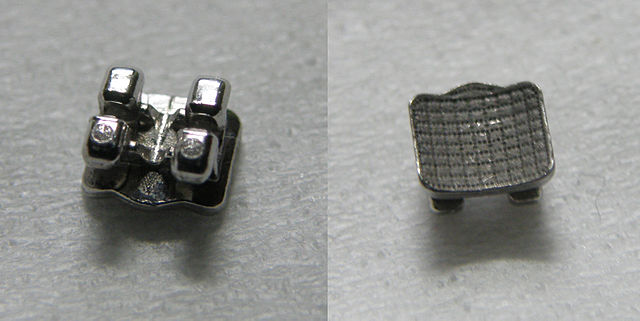 One of the main drawbacks to orthodontics is not so much the discomfort associated with wearing braces but the length of time that will be spent not being able to eat, speak, or kiss as usual. Different methods aimed at reducing the time spent in braces are available, and we will be talking about what I personally believe is the best one. By best I mean most effective, and with the highest number of clinical trials behind it. Let’s take a peek inside the world of accelerated osteogenic orthodontics, or AOO.